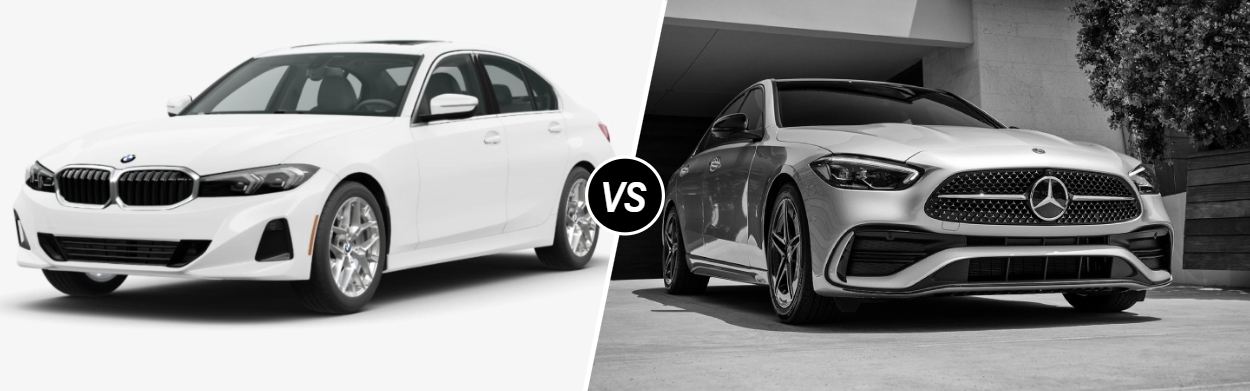
If you are cross-shopping a luxury sport sedan for daily life in North Hollywood, CA, the 2026 BMW 3 Series vs 2026 Mercedes-Benz C-Class comparison comes down to how each car blends performance DNA with modern technology and real-world usability. Both sedans deliver premium cabins, advanced driver assists, and expressive design, yet the BMW’s chassis tuning and driver-first interface shine in the stop-and-go on the 101 and the open sweepers over the Cahuenga Pass. The 3 Series range spans the efficient 330i, the electrified 330e plug-in hybrid, and the silken, quick M340i inline-6—each with available xDrive all-wheel drive for confidence on varied California pavement. Mercedes counters with its refined C 300 and AMG variants, supported by its 3rd-gen MBUX interface and hallmark safety features. Still, enthusiasts and commuters alike will notice the BMW’s more connected steering, intuitive controls, and breadth of configurations. At Century West BMW, we focus on the details that matter for your routine—garage fit, curb visibility, maneuverability—so you can choose a sport sedan that feels perfectly tailored to your rhythm in North Hollywood, CA.
| Feature | 2026 BMW 3 Series | 2026 Mercedes-Benz C-Class |
|---|---|---|
| xDrive intelligent All-Wheel Drive available | Yes | Yes |
| Plug-in hybrid variant (330e) | Yes | No |
| Inline-6 performance model (M340i) | Yes | No |
| Curved Display with Operating System 8.5 | Yes | No |
| BMW Intelligent Personal Assistant | Yes | No |
| M Sport Package (aero, wheels, trim) | Yes | No |
| M Sport Brakes with red calipers | Yes | No |
| Adaptive M Suspension | Yes | No |
| Wireless Apple CarPlay® and Android Auto™ | Yes | Yes |
| Standard Ambient Lighting | Yes | Yes |
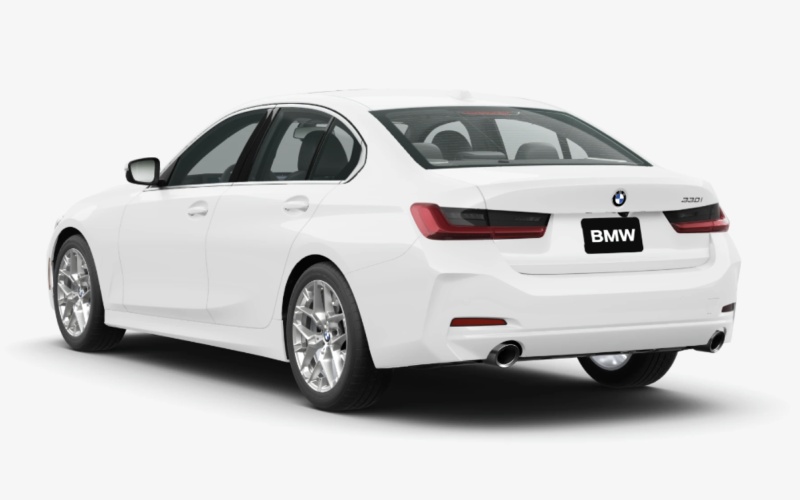
From first glance, the BMW’s proportions make its mission clear: a long hood, short overhangs, and a planted stance emphasize rear-drive balance. The signature double kidney grille with vertical bars complements crisp LED headlamps, and the available M Sport Package adds an Aerodynamic Kit, larger air intakes, Shadowline trim, and 18- or 19-inch M wheels that look right at home under the palm-lined stretches of Riverside Drive. Available 19-inch bi-color M Double-spoke light alloy wheels telegraph capability without shouting, while paintwork such as Alpine White, Black Sapphire Metallic, Skyscraper Grey Metallic, or Tanzanite Blue II Metallic pairs effortlessly with Los Angeles light. The Mercedes is handsome in its own way—sleek surfacing, tasteful LED lighting, and no-charge 18- or 19-inch wheels deliver a refined curb presence. AMG Line and Night Package dress it more aggressively if you prefer a darker, sportier vibe. Yet taken as a whole, the BMW’s stance reads more athletic and ready, and the details—flush window surrounds, precise character lines, subtle diffuser—underscore that this sedan is designed to feel alive the moment you turn the wheel. In tight North Hollywood, CA neighborhoods, the BMW’s tidy dimensions and front-corner visibility also help you slip neatly into parallel spaces.
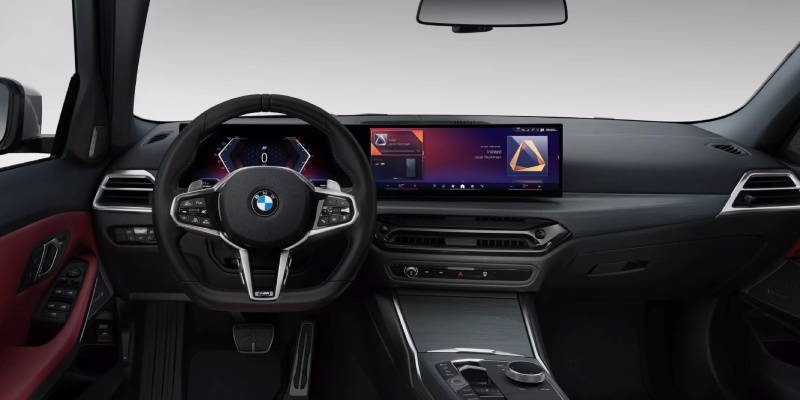
Slip inside, and the BMW immediately sets a driver-centric tone. The Curved Display flows toward you in a single glass panel, running BMW Operating System 8.5 with QuickSelect so your most-used functions are never more than a tap away. Standard Ambient Lighting, richly grained trim, and available touches like the SenaTec Dashboard with double-stitched seams create a cabin that feels composed in rush-hour traffic and serene on late-night returns up Lankershim. Wireless Apple CarPlay® and Android Auto™ are standard, so your navigation and playlists follow naturally, while the My BMW App supports remote features and vehicle status at a glance. Supportive sport seats and a low cowl maintain terrific outward visibility for tight parking structures around the NoHo Arts District. The Mercedes cabin is elegant, too, with its portrait center screen, tasteful metal finishes, and available textures. MBUX responds quickly, and its voice assistant understands natural commands. Yet BMW’s menus and haptic controls are more consistent and predictable in motion, which helps when you are toggling drive modes or setting adaptive cruise amid lane changes on the 170. For frequent carpoolers, both cars seat five, but the BMW’s seat ergonomics and driving position feel more focused and less floaty, minimizing fatigue on longer Valley-to-Westside treks.
Beneath the sheet metal, the BMW’s fundamentals are what enthusiasts call “right.” A near 50/50 weight distribution, a rigid body, and meticulous suspension tuning yield crisp initial turn-in and reassuring mid-corner stability, exactly what you want when ramping onto the 134 or threading canyon curves toward the Valley rim. Standard suspension tuning is supple yet controlled, while available Adaptive M Suspension broadens the bandwidth—softening for patched urban asphalt and firming when you carve. Optional M Sport Brakes with internally ventilated discs keep pedal feel consistent on back-to-back stops, useful in the ebb and flow of evening traffic on Barham Boulevard. The M340i’s available M Sport Differential further enhances traction and rotation when powering out of tighter turns. The Mercedes C-Class is composed and quiet, with a compliant ride that many will appreciate. AMG variants add sharper responses, but the everyday C 300’s steering and body control skew more comfort-first than sport. Across the lineup, both sedans offer rear-drive architecture with available all-wheel drive, but the BMW’s steering feedback and throttle calibration respond with clearer nuance. Around town, that means small inputs translate naturally—less correction, smoother progress, and less stress.
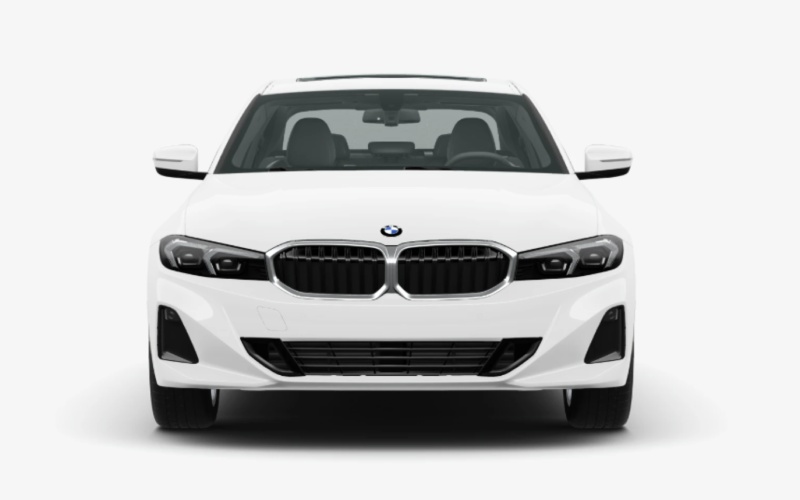
BMW’s engine lineup covers a wide range of needs without losing the brand’s performance thread. The 330i’s 2.0-liter BMW TwinPower Turbo inline 4-cylinder makes 255 hp and 295 lb-ft, pairing brisk acceleration with refined manners—5.6 seconds to 60 mph in rear-drive form or 5.4 seconds with xDrive. Step into the M340i and you get a 3.0-liter M TwinPower Turbo inline 6-cylinder with 48V mild-hybrid technology, rated at 386 hp. It is smooth, responsive, and effortlessly quick, ideal when you need a clean pass along a short on-ramp near Universal City. Prefer electrification? The 330e plug-in hybrid adds EV-capable driving for short urban hops with the security of a gasoline engine for longer days. Mercedes meets the brief with a 2.0-liter turbo 4-cylinder in the C 300, also rated at 255 hp and 295 lb-ft, and with AMG options above it. The C 300’s 0-60 mph estimate is about 6.0 seconds, which is plenty for daily use. Where the BMW powertrains stand apart is in feel: the inline-6’s turbine-like smoothness, the 8-speed’s crisp logic, and the linear pedal response. In the back-and-forth of Los Angeles commuting, this translates into fewer downshifts and a more composed rhythm—one reason drivers who value both pace and polish lean toward BMW.
Both sedans prioritize advanced safety features. On the BMW, the available Active Driving Assistant bundles essentials such as Active Blind Spot Detection, Frontal Collision Warning with City Collision Mitigation, and Lane Departure Warning. Step up to the optional Driving Assistance Professional Package for Active Cruise Control with Stop & Go, Active Lane Keeping Assistant with side collision avoidance, Traffic Jam Assistant, Evasion Aid, and Cross-Traffic functions. These systems are engineered to work transparently, taking the edge off dense stretches of the 405 without feeling intrusive. The Mercedes C-Class counters with well-known innovations, including PRE-SAFE, a suite of active aids via its available Driver Assistance Package, and an available center air bag for added occupant protection. Both vehicles support intelligent lighting, tire pressure monitoring, and over-the-air update capabilities that keep certain systems fresh. The distinction, again, is in execution: BMW’s interface, alerts, and steering assistance present feedback with a more natural cadence, instilling confidence in complex situations like merging across multiple lanes near the 170/5 interchange in North Hollywood, CA. We guide owners through feature setup so those benefits are immediate from day one.
For local commuters and weekend explorers alike, the BMW’s consistent blend of agility, calm ride quality, and smart technology hits the sweet spot. The combination of rear-drive balance, available xDrive, and the option of a plug-in hybrid provides meaningful choice without sacrificing the marque’s sport-sedan character. At Century West BMW, our product specialists tailor test drives to your routes—surface streets, freeways, and a quick canyon detour—so you feel the difference where it counts.
Our recommendation: schedule a back-to-back drive to feel the 3 Series’ clarity and composure alongside the competition—your hands and seat will tell the story.
When you frame 2026 BMW 3 Series vs 2026 Mercedes-Benz C-Class around real-world needs—lane changes on the 101, tight parking off Magnolia, smooth climbs into nearby canyons—the BMW separates itself with more communicative dynamics, a cleaner interface, and broader configurations, including a plug-in hybrid and a silken inline-6. The Mercedes remains an accomplished luxury choice, but the BMW’s steering feel, powertrain responses, and thoughtful ergonomics bring you closer to the drive every day. If you split time between Beverly Hills and Los Angeles or simply want a car that is as at ease downtown as it is cresting Mulholland, the 3 Series feels like the right tool for the job. We invite you to experience it with us at Century West BMW, where our team curates routes and features to match your routine in North Hollywood, CA. Come see why so many local drivers prefer the BMW approach to sport-sedan excellence—and how we make ownership seamless from delivery to every visit thereafter.