


Which sport sedan fits real-world Los Angeles, CA driving better — the 2026 BMW 3 Series or the 2026 Mercedes-Benz C-Class?
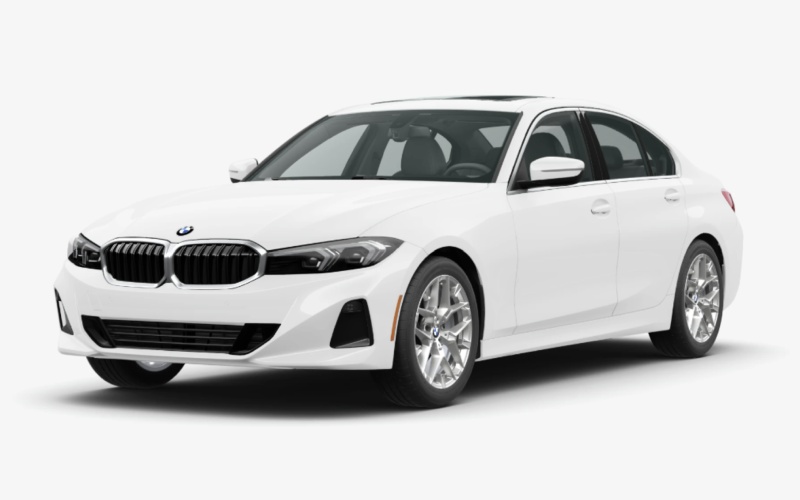
Century West BMW – Which sport sedan fits real-world Los Angeles, CA driving better — the 2026 BMW 3 Series or the 2026 Mercedes-Benz C-Class?
Shoppers across the Westside and the Valley often ask a simple question that leads to a smart decision: which luxury sport sedan feels better on real Los Angeles streets and freeways? The BMW 3 Series and Mercedes-Benz C-Class both promise comfort, technology, and confidence, but the way they deliver those traits is different. In a city where your commute can swing from creeping along the 405 to a swift merge onto the 101, the car that adapts more naturally tends to win. If you are debating between these two icons, this guide breaks down the core differences that matter in daily use and weekend escapes.
First, driving character. The BMW’s chassis tuning—built on a near 50/50 weight distribution—gives it a clear, intuitive response to your inputs. Turn the wheel slightly, and the car rotates predictably; squeeze the throttle, and the 8-speed responds promptly without drama. The Mercedes emphasizes quiet composure, which many will appreciate, but its steering communicates less of what the tires are doing. For canyon cut-throughs above Studio City or quick transitions at freeway speeds, that extra BMW feedback helps you place the car with more confidence. For most drivers, this means less correction, a smoother line, and a calmer experience behind the wheel.
Performance and powertrains that fit LA life
Both lineups start with 2.0-liter turbo 4-cylinders at around 255 hp and 295 lb-ft, which is plenty for urban and freeway use. The BMW steps ahead with an available inline-6 that feels effortlessly smooth and quick, ideal for short on-ramps or quick passes near construction zones. There is also a plug-in hybrid 3 Series variant that lets you run errands on electricity alone when it suits your schedule. Mercedes offers AMG performance models, but the core C-Class relies on 4-cylinder engines—even at the higher end—so if you value the unique feel of a silky six, BMW is the obvious choice. In practice, that inline-6’s responsiveness and refinement make a difference you can sense on every drive.
All-wheel drive is available on both sedans, and each prioritizes rear-drive dynamics for natural handling. If you spend time up and down the coastal hills or head into the mountains for weekend trips, BMW’s xDrive brings surefooted agility without dulling steering response. In rush-hour cut-and-thrust, the BMW’s throttle mapping and transmission tuning keep things smooth, helping the car feel settled as traffic expands and contracts around you.
Cabin tech and user experience
Tech matters because you use it every time you drive. The BMW’s Curved Display, paired with BMW Operating System 8.5 and QuickSelect, streamlines key functions so you are not buried in submenus for everyday tasks. Voice control via the BMW Intelligent Personal Assistant is quick to understand natural requests, and core conveniences like wireless Apple CarPlay® and Android Auto™ are standard. Mercedes’ 3rd-gen MBUX is polished and feature-rich as well, with clear graphics and consistent responses. The big difference is how these systems feel in motion. BMW’s menu logic and haptics tend to demand fewer glances away from the road once you are familiar, while its physical controls for high-frequency tasks remain placed where your hands expect them. That design discipline pays dividends every mile.
Comfort is another layer. The 3 Series maintains a slightly more upright, alert driving position with well-bolstered seats that hold you in place without pinching. In congested corridors, that position, combined with good sightlines, reduces fatigue. The Mercedes seats are plush, and the cabin ambience is elegant, but the driving posture can feel more relaxed than focused, which some drivers love, and others find less engaging. Both vehicles offer confident driver-assistance suites, yet BMW’s available Driving Assistance Professional features feel particularly well-integrated, offering helpful nudges without overwhelming you with alerts.
Ownership details that matter day to day
Small advantages add up in LA. The 3 Series’ turning circle and front-corner visibility ease tight parking in stacked garages. Available M Sport Brakes help keep pedal feel consistent if your commute involves frequent stops on downhill sections. And thanks to the My BMW App, remote features and vehicle status checks are straightforward. Mercedes brings similar remote connectivity through its app, strong basic safety tech, and a hushed, upscale cabin. But if you want a sport sedan that still feels like a sport sedan after a long day—alert, responsive, and unflustered—the BMW formula stays truest to that brief.
- Everyday drivability: Clear steering feedback, smooth transmission logic, and rear-drive balance help the BMW feel natural in traffic.
- Technology that helps: The Curved Display with OS 8.5, wireless Apple CarPlay®/Android Auto™, and a responsive voice assistant reduce distractions.
- Performance optionality: Choose among an efficient turbo-4, a smooth inline-6, or a plug-in hybrid to match your routine.
Frequently Asked Questions:
Which sedan handles better in everyday LA driving?
Both are capable, but the BMW’s steering feel and chassis tuning make it easier to place and more confidence-inspiring in tight gaps or quick lane changes. It feels settled and precise in the messy parts of a commute.
Is there a plug-in option for shorter urban trips?
Yes, the BMW lineup offers a plug-in hybrid variant so you can handle errands on electric power and take longer drives without planning around charging. The C-Class does not currently offer a comparable plug-in model in the U.S.
How do the infotainment systems compare?
Both deliver crisp graphics and robust voice control. BMW’s Curved Display with OS 8.5 emphasizes fewer taps for frequent actions and retains smartly placed physical controls, which many drivers find easier to use on the move.
If you are evaluating both sedans, a back-to-back drive on your usual route will reveal their personalities quickly. One feels eager and intuitive, the other plush and serene—both good, just different. For many shoppers, that difference is decisive. Century West BMW, serving Beverly Hills, Los Angeles, and Santa Monica, can help tailor a test route that mirrors your day-to-day so you make a decision with total confidence. And when you are ready to go deeper—fit, feature setup, driver-assistance calibration—we are here to make the transition seamless. That is why so many local enthusiasts and commuters alike choose the 3 Series as their long-term partner.
Have follow-up questions about all-wheel drive, plug-in charging habits, or how driver assists behave in heavy traffic? Reach out for a consultation and an extended test loop that covers surface streets and freeways. You will quickly sense which sedan fits your lifestyle and your roads best.
One final note: while both the BMW and Mercedes bring advanced safety and convenience, the BMW’s blend of composure and clarity stands out over time. It is the car that still feels fresh on year three of ownership—and that matters as much as first impressions.
We look forward to helping you compare them in detail and drive home the sport sedan that actually makes your life easier, calmer, and more enjoyable—every single day.
When you are ready to take the next step, schedule a test drive and bring your daily route. We will handle the rest.
Questions about trims, options, or how to equip the car for commuting and weekend getaways? Our team will walk you through build choices and how they affect driving feel, so your car suits your exact rhythm from day one with Century West BMW.
0 comment(s) so far on Which sport sedan fits real-world Los Angeles, CA driving better — the 2026 BMW 3 Series or the 2026 Mercedes-Benz C-Class?